Build 3 Mechanical Robot Creatures: Scorpion, Beetle, Turtle
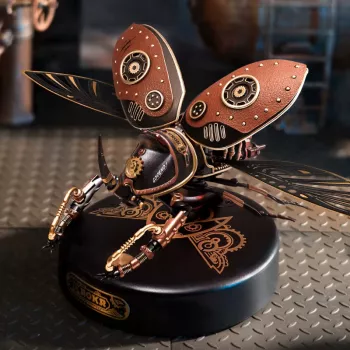
3D Mechanical Insect Puzzle – Scorpion, Beetle & Turtle Robot Model Kit
A hands-on model kit that blends puzzle-solving with mechanical style. Build and display three striking robotic creatures—scorpion, beetle, and turtle—for a satisfying desk piece, gift, or weekend project that rewards patience and attention to detail. If you enjoy structured building, crisp mechanical lines, and a finished result that looks far more complex than it feels once you get into the rhythm, this 3-model set delivers a fresh experience with each creature.
What This Model Kit Is
This is a buildable 3D mechanical creature set designed to be assembled into scorpion, beetle, and turtle-inspired robot models. The build process is puzzle-like: it’s about sequencing, alignment, and careful placement, where each step supports the next. Once completed, the models are meant for display, with a distinctive mechanical aesthetic that stands out on shelves, desktops, and collector-style arrangements.
For the full product details and current availability, see the 3D Mechanical Insect Puzzle – Scorpion, Beetle & Turtle Robot Model Kit.
Why the Scorpion, Beetle, and Turtle Designs Feel Different
Even though all three builds share a cohesive “mechanical creature” theme, they don’t feel like repeats. Each model leans into a different kind of shape language, which keeps the set engaging across multiple sessions.
- Scorpion build: Focuses on segmented forms and a dramatic silhouette. It tends to look the most “aggressive” and makes an eye-catching centerpiece.
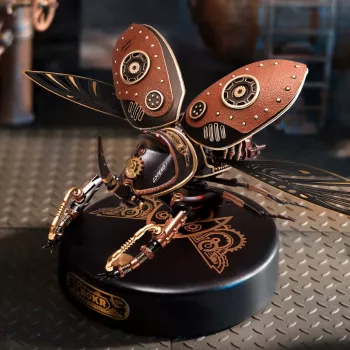
- Beetle build: Emphasizes symmetry and layered structure. If you like mirrored steps and satisfying left/right balance, this one feels especially rewarding.
- Turtle build: Reads as compact and sturdy, with a calmer profile that nicely offsets the sharper lines of the other two builds.
Together, the trio delivers variety in form and pacing—so you’re not rebuilding the same structure three times with different “skins.”
Build Experience and Difficulty
This kind of mechanical-style kit is best treated as a paced project rather than a race. The easiest way to avoid rework is to sort parts first, then build in small stages. Since the assembly rewards precision, it helps to make sure each piece is fully seated and correctly aligned before you move on.
Simple setup tips that make a big difference
- Use a tray or mat: It keeps small pieces from rolling away and makes it easier to pause mid-build.
- Bright lighting matters: Shadowy corners can hide slight misalignment until later steps.
- Separate parts by size/type: A few minutes of sorting can save a lot of backtracking.
- Group builds work well: Assign roles (part sorting, step reading, assembly) to reduce mistakes and keep the pace steady.
If you want a more “workbench” feel for your maker corner, having a dedicated tool nearby can help with non-build tasks like stabilizing a project area or organizing a small workspace; see the Heavy-Duty Aluminum Pipe Wrench as an example of a sturdy shop add-on for a garage or hobby area.
What It Helps Practice (Without Feeling Like Homework)
One of the most satisfying parts of a mechanical puzzle kit is that it sneaks in skill-building while still feeling like a hobby. You’re doing real “thinking with your hands,” where small improvements compound across the build.
Hands-on builds are widely recognized as a meaningful way to support learning and persistence; Edutopia has a helpful overview of the benefits of hands-on learning.
Display, Decor, and Desk Presence
If you’re curious about how real insect bodies inspire segmented shapes and symmetry, Encyclopaedia Britannica provides a clear, high-level overview of insects and their defining traits.
Who This Makes a Great Gift For
Specifications at a Glance
| Item | What to look for | Why it matters |
|---|---|---|
| Number of builds | Scorpion, Beetle, Turtle | Variety keeps builders engaged across multiple sessions |
| Build style | Puzzle-like mechanical model assembly | Sets expectations for careful sequencing and alignment |
| Best use | Display model / desk decor | Ensures the finished result matches the buyer’s goal |
| Gifting occasions | Birthdays, holidays, maker milestones | A standout gift for hobby and puzzle interests |
| Care | Dusting and stable placement | Preserves appearance and reduces accidental damage |
Care, Safety, and Long-Term Enjoyment
- Small parts: Small components can be a choking hazard—confirm the kit is appropriate for the intended age group. The U.S. Consumer Product Safety Commission shares guidance on toy safety and small parts.
- Store leftovers: If you pause between sessions, keep any extra pieces in a labeled bag or container so nothing goes missing.
- Gentle cleaning: Use a soft brush or microfiber cloth to remove dust without scratching fine details.
- Don’t force joints: If something feels tight, stop and re-check orientation rather than applying extra pressure.
When This Kit Is the Right Choice
FAQ
Is this more like a puzzle or a traditional model kit?
It’s a structured, step-based build with a puzzle-like feel, where careful sequencing and alignment matter most. It’s less about painting or advanced hobby tools and more about precise assembly and following the build order.
How long does it take to complete the scorpion, beetle, and turtle builds?
Build time depends on your pace and experience, but many people find it works best split into multiple sessions. Sorting parts first and working in small stages can noticeably reduce time and mistakes.
Is it suitable as a gift for kids or teens?
Check the product page for the recommended age guidance, especially because small parts may not be suitable for younger children. Patient, detail-oriented kids and teens who enjoy hands-on builds tend to get the most enjoyment from it.


Leave a comment