Silver Tassel Jhumka Earrings: Vintage Gypsy Style Guide
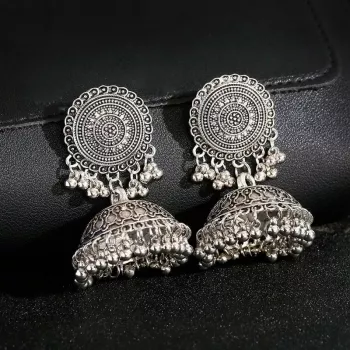
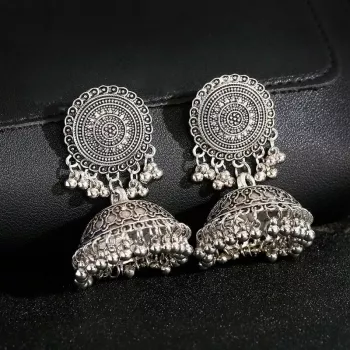
Ethnic Silver Color Tassel Jhumka Earrings for Women – Vintage Indian Gypsy Jewelry
Bold, swaying, and instantly outfit-making, tassel jhumka earrings bring a vintage-meets-bohemian feel to everyday looks and festive styling alike. This guide covers what makes this silver-tone pair stand out, how to style it with different necklines and hair choices, and how to keep the finish looking fresh over time.
What Makes Tassel Jhumkas So Striking
Tassel jhumkas combine tradition with movement—two things that naturally draw the eye. The result is jewelry that feels expressive without requiring a complicated outfit.
- Jhumka silhouette: a traditional bell-shaped drop that creates movement and catches light with every turn.
- Tassel detail: adds length and flow, making the earrings noticeable even with simple outfits.
- Silver-tone finish: pairs easily with both warm and cool color palettes, from whites and blues to reds and mustard.
- Vintage gypsy-inspired vibe: works well with layered textiles, embroidered pieces, and relaxed boho styling.
If you like accessories that do a lot of work—adding texture, shine, and a little drama—this style delivers without needing extra layers of jewelry.
At-a-Glance Details
These earrings are designed to read as a statement piece: the tassels create motion, while the jhumka base adds a classic, ethnic jewelry profile that suits both modern and traditional wardrobes.
- Style: ethnic tassel jhumka drop earrings with a silver-color finish.
- Occasions: festivals, weddings/guest looks, parties, travel outfits, and everyday statement wear.
- Visual impact: the tassel movement emphasizes jawline and neck, complementing updos and swept-back hairstyles.
- Gifting: a versatile choice for birthdays, holidays, and cultural celebrations.
Quick Spec & Use Guide
| Feature | What it means for wear |
|---|---|
| Silver-color finish | Easy to match with most outfits; reads classic and vintage. |
| Tassel + jhumka drop | Adds movement and length; ideal when you want earrings to be the focal point. |
| Statement style | Pairs best with simpler necklaces or no necklace for a balanced look. |
| Day-to-night versatility | Wear with casual kurtis/denim or elevate with festive sets and saree-inspired styling. |
Styling Ideas for Different Outfits
Silver-tone tassel jhumkas look most intentional when the outfit gives them “space” to shine—either through clean lines, open necklines, or simpler prints.
- With kurtis and tunics: choose solid or lightly printed fabrics so the tassels remain the main detail.
- With saree-inspired looks: match silver-tone earrings with metallic borders, mirrorwork, or cool-toned embroidery.
- With western basics: elevate a plain black dress, white shirt, or denim jacket by letting the earrings add texture and movement.
- With layered boho outfits: combine with scarves, embroidered bags, and stacked bangles; keep the neckline open to avoid clutter.
For an easy “styled” shortcut, keep your clothing simple in silhouette, then let the earrings bring the personality—especially when you want a look that photographs well without heavy layering.
How to Pair with Hair, Makeup, and Necklines
Because tassels move, the way you wear your hair and choose your neckline can either spotlight the earrings—or compete with them. A few small choices make them feel polished rather than busy.
- Hair: a low bun, high ponytail, or half-up style keeps tassels visible and reduces tangling.
- Necklines: boat neck, V-neck, and off-shoulder styles frame the drop; high necklines work best with an updo.
- Makeup balance: define eyes or lips (not both) so the overall look stays cohesive with statement earrings.
- Other jewelry: choose one metal direction (silver-tone) and keep the necklace minimal; opt for bangles or a single cuff instead.
If you love wearing necklaces, consider a delicate chain or a short pendant rather than a chunky collar—this keeps attention on the tassel movement and the jhumka shape.
Comfort, Sensitivities, and Everyday Wear Tips
Statement earrings can be surprisingly wearable, but a couple of practical habits help keep them comfortable and looking good—especially if you plan to wear them for long events.
For more background on metal sensitivities, Mayo Clinic’s overview of nickel allergy is a helpful reference: https://www.mayoclinic.org/diseases-conditions/nickel-allergy/symptoms-causes/syc-20351529.
Care and Storage to Keep the Finish Looking New
Jewelry materials and finishing techniques vary widely; for a broad, trustworthy overview of jewelry materials through history, see Britannica’s reference: https://www.britannica.com/art/jewelry.
Where This Pair Fits in a Jewelry Capsule
Shop In-Stock Picks
If you’re ready to add a standout pair to your rotation, the featured option is available here: Ethnic Silver Color Tassel Jhumka Earrings for Women – Vintage Indian Gypsy Jewelry.
For a couple of other in-stock finds across the store, browse: 52-Cup 5-Stage Water Filter Dispenser with Real-Time TDS Meter & Lead Reduction and How to Use AI Tools to Regain Control of Your Finances | Digital Debt Management Guide.
FAQ
Are tassel jhumka earrings suitable for everyday wear?
Yes—pair them with simpler outfits (solid tops, clean necklines) and they can be an easy daily signature. For comfort, choose hairstyles that keep tassels from snagging and take breaks if you’re wearing them all day.
How should silver-color jhumka earrings be cleaned and stored?
Wipe them after wear with a soft, dry cloth and keep them away from water and chemicals. Store them separately in a pouch or divided box so the finish doesn’t scratch and the tassels don’t tangle.
What if someone has sensitive ears or metal allergies?
Apply perfume and hairspray before putting earrings on, and stop wearing them if irritation starts. Hypoallergenic backs or a barrier can help for some people, and persistent reactions should be discussed with a clinician.



Leave a comment