Build a 3D Wooden Puzzle Quartz Wall Clock (DIY)
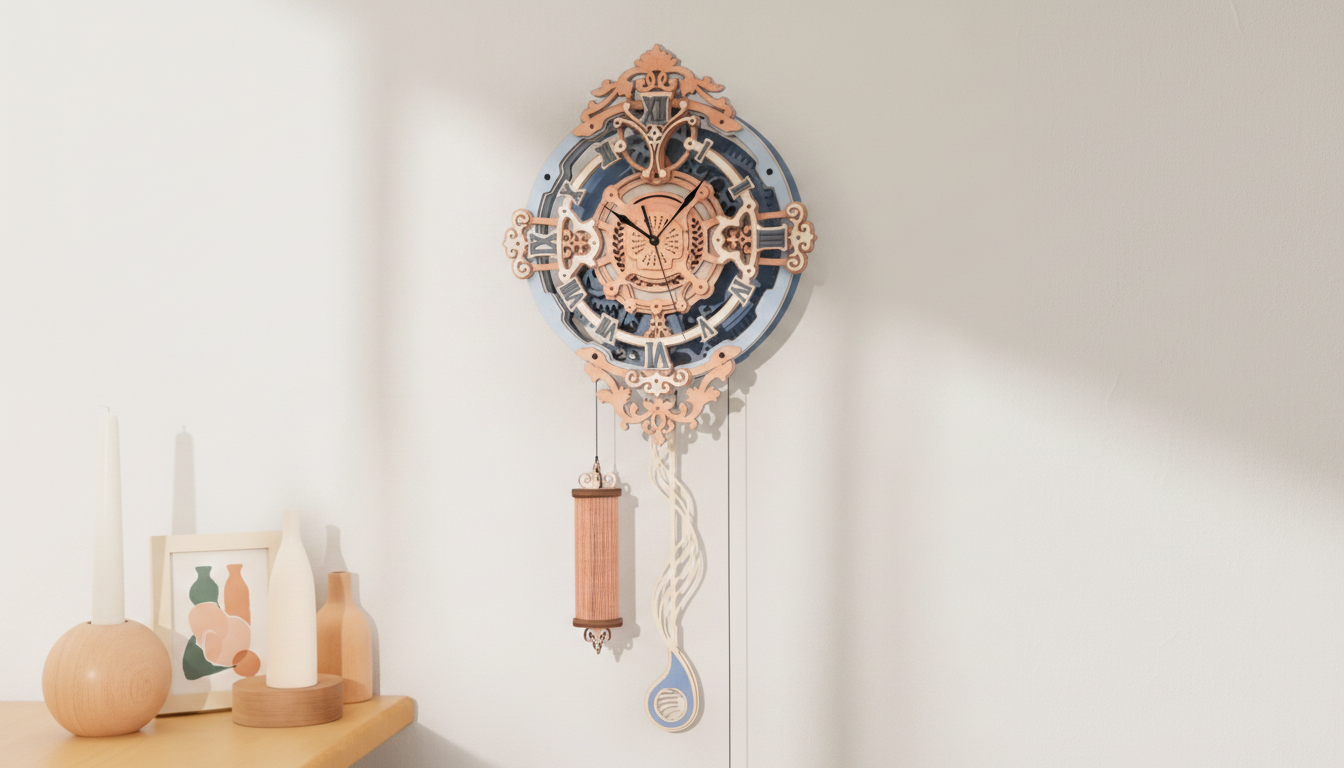
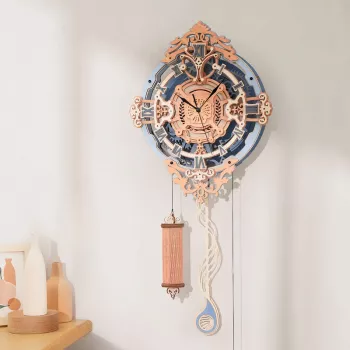
3D Wooden Puzzle DIY Wall Quartz Clock with Mechanical Design
A build-it-yourself wooden puzzle clock blends hands-on assembly with a functional wall clock you can actually use every day. With its mechanical-inspired layers and cutout detailing, it fits naturally in maker spaces, home offices, studios, and classrooms—anywhere a little engineered-looking decor feels right. It’s also the kind of gift that feels more personal than a standard clock, because the fun is in building it first and displaying it afterward. For more guidance, see Guide for the Care and Use of Laboratory Animals.
What This DIY Wooden Puzzle Clock Is
This project starts as a 3D wooden puzzle model and ends as a wall clock with a bold, mechanical-style look. The visual “mechanism” comes from stacked shapes, exposed-style geometry, and cutouts that create depth on the wall—without requiring an actual gear-driven time system. For further reading, see Homepage.
- 3D wooden puzzle model that assembles into a wall clock with a mechanical-inspired look
- Quartz clock movement provides reliable timekeeping once installed
- Designed to be displayed: part craft project, part functional room decor
- Best for hobbyists, teens with supervision, and adults who enjoy model kits and puzzles
If you’re shopping for the build itself, the 3D Wooden Puzzle DIY Wall Quartz Clock Mechanical Design is a straightforward way to turn a relaxing weekend activity into something you’ll keep on the wall for years.
What Makes a Mechanical-Style Design Stand Out
Mechanical-style clocks don’t need visible moving gears to look engineered. The effect comes from the way the wood is layered and cut—almost like a technical drawing brought to life. That structure makes it feel more “built” than a flat clock face, especially once it’s mounted where light can cast subtle shadows through the cutouts.
- Layered geometry and cutout details create a mechanism-like appearance even when the movement is hidden
- Adds visual depth compared with typical flat wall clocks
- Pairs well with industrial, workshop, steampunk-inspired, or minimalist wood interiors
- Works as a conversation piece for offices, classrooms, and studio walls
After assembly, the timekeeping comes from quartz technology, which is known for steady accuracy in everyday home clocks. For a quick, trustworthy overview of how quartz timekeeping works, see NIST’s explanation of quartz clocks and watches.
Build Experience: From Parts to Wall Clock
The build feels like a mix of puzzle-solving and model-making: you’re matching tabs and slots, aligning layers, and watching the structure become more clock-like with each step. The best builds usually come from patience and a little prep, not brute force.
Before you start
- Sort pieces before starting; grouping by size helps prevent missed steps and rework.
- Keep a small tray or shallow box nearby so tiny parts don’t wander mid-build.
During assembly
- Dry-fit delicate sections first to learn alignment before pressing pieces together.
- Apply steady, even pressure; avoid twisting tabs to reduce the chance of splintering.
- Pause for small corrections—rushing is the fastest way to crack a connector.
Installing the movement and hands
- After assembly, install the quartz movement and hands carefully so they don’t rub against each other or nearby wooden elements.
- Test the clock on a table first; it’s easier to adjust hand height and alignment before hanging it.
Most wooden puzzle kits are press-fit, so heavy tools generally aren’t necessary. If you do keep a tool nearby for workshop tasks, a Heavy-Duty Aluminum Pipe Wrench belongs on the bench for plumbing and shop work—not for pressing puzzle parts, which can crush or mark wood if overused.
Quick Setup and Care Tips for Long-Lasting Display
Wood looks great on a wall, but it also responds to its environment. A few simple habits help keep the clock looking crisp and fitting together cleanly over time.
- Hang on a stable hook or nail suited to the wall type; keep the clock level for the best visual effect.
- Place it away from direct sunlight and high humidity to reduce the risk of warping.
- Dust with a soft, dry cloth; avoid soaking or harsh cleaners on unfinished wood.
- If desired, apply a light wood-safe finish or wax on exterior surfaces only (avoid moving parts and the movement area).
- Replace the battery when second-hand movement becomes irregular or stops.
Wood movement is normal as seasons change, especially in humid rooms or near sun-facing windows. For the “why” behind that, Smithsonian Magazine’s look at why wood warps offers a clear, practical explanation.
At-a-Glance Specs and Buying Details
| Item | Details |
|---|---|
| Product | 3D Wooden Puzzle DIY Wall Quartz Clock Mechanical Design |
| Price | 39.51 USD |
| Availability | In stock |
| Best for | DIY builders, puzzle fans, desk-to-wall decor upgrades, hands-on gifts |
| Store page | https://computeravenue.shop/3d-wooden-puzzle-diy-wall-quartz-clock-mechanical-design/ |
Common Assembly Mistakes to Avoid
FAQ
Does the clock actually keep accurate time after assembly?
Yes. Once the quartz movement is installed correctly and powered by a fresh battery, it’s designed to keep consistent time. Accuracy mostly depends on proper hand placement (no rubbing) and a good battery.
What tools are needed to assemble a 3D wooden puzzle clock?
Most builds are press-fit and don’t require heavy tools. Helpful extras include a parts tray, tweezers for small pieces, and a small file or emery board for a tight tab—used gently so the wood isn’t damaged.
Can it be hung on drywall safely?
Yes, as long as you use the right picture hook or drywall anchor for your wall type and ensure the clock sits level. Mount it in a spot where it won’t be bumped or slammed by a door.




Leave a comment