12.5×50 Heavy-Duty Geotextile for Gravel Driveways
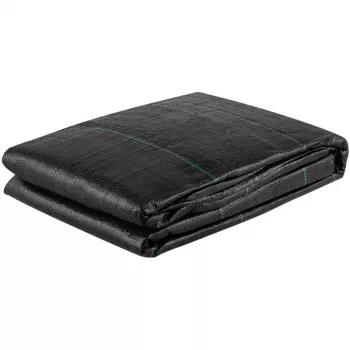
Heavy Duty Geotextile Fabric Weed Barrier for Driveways & Landscaping (12.5×50 ft)
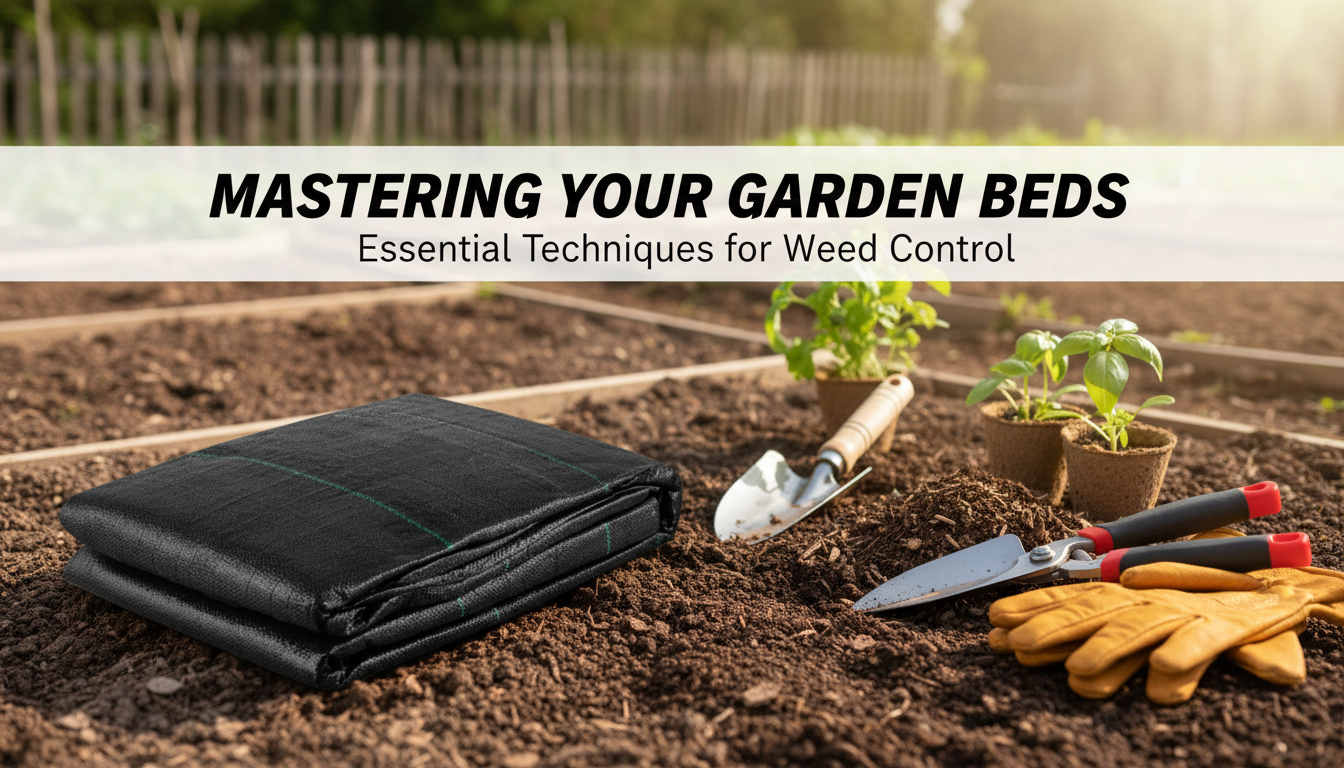
A heavy-duty geotextile weed barrier is built for the places where lightweight garden fabric falls short—under gravel, base rock, and decorative stone where pressure, water flow, and soil movement all matter. When installed correctly, it helps stabilize soft ground, keeps aggregate from disappearing into the subsoil, and reduces weed pressure without acting like a plastic sheet that traps water. Below is a practical guide to where this type of fabric works best, how to install it for driveways and landscaping, and how to size a 12.5×50 ft roll so you’re not short on coverage when overlaps and curves come into play.
What Heavy-Duty Geotextile Fabric Does
- Separation: Keeps gravel and base rock from sinking into soft subsoil, reducing ruts and washboarding over time.
- Stabilization: Helps spread loads so driveways, parking pads, and paths stay flatter under vehicle or equipment traffic.
- Filtration & drainage: Lets water pass while limiting soil migration up into the aggregate layer (less “mud pumping” and fewer fines mixing into the stone).
- Weed suppression: Blocks sunlight and makes it harder for established weeds to push through beneath gravel or mulch.
- Erosion control support: Can help hold soil structure together on mild slopes when paired with smart grading and drainage.
For more technical background on geosynthetics used under aggregates and pavement layers, you can reference resources from the Federal Highway Administration (FHWA) and geotextile testing/standards overviews from ASTM International.
Best Uses Around the Yard and Jobsite
- Driveways and parking pads: Installed under gravel to reduce sinking, potholes, and mixing in softer soils.
- Walkways and garden paths: Under decomposed granite, gravel, or stepping-stone bases to keep the surface cleaner and more level.
- Landscaping beds: Under mulch or decorative stone to separate soil from top cover and simplify refreshes.
- French drains and trench projects: Used as a wrap to reduce sediment intrusion into drainage rock.
- Shed bases and patios: Beneath compacted base layers to improve long-term stability and reduce settling.
On sites with runoff concerns, pairing fabric with correct grading and outlets is key. The USDA NRCS provides guidance on conservation practices related to runoff and erosion control that can help inform layout decisions.
Sizing: How Far a 12.5×50 ft Roll Goes
A 12.5×50 ft roll covers 625 sq ft in perfect rectangles (12.5 ft × 50 ft). Real projects usually require overlaps, trimming, and extra material for curves, edges, and transitions—especially where tires turn and scrub.
- Plan for overlaps: 6–12 inches is common for landscaping; 12–24 inches is a safer range for driveway seams or very soft soils.
- Include extra length for high-stress zones: Turnarounds, parking areas, and ramps often need more overlap and a wider “apron.”
- Extend beyond the gravel edge: Keeping the fabric slightly wider than the finished aggregate helps maintain separation at the margins where stone spreads and soil migrates.
Coverage planning examples (allowing for overlap)
| Project area example | Approx. square footage | Notes on fit with 12.5×50 ft |
|---|---|---|
| Driveway strip: 10 ft × 50 ft | 500 sq ft | Typically fits with room for overlaps and edge extension |
| Parking pad: 20 ft × 20 ft | 400 sq ft | Fits; extra roll width helps reduce seams |
| Landscape bed: 6 ft × 80 ft | 480 sq ft | Fits; allow extra for curves and pinning |
| Garden paths: 4 ft × 120 ft | 480 sq ft | Fits; cut into runs and overlap joints |
Driveway Installation Steps (Gravel Base)
- Excavate and grade: Remove organic material and shape the subgrade for runoff (a crown or a consistent slope to a drainage path).
- Compact the subgrade: Use a hand tamper or plate compactor. If you find soft spots, dig them out and replace with suitable base material before fabric goes down.
- Roll out fabric: Lay it smooth, avoiding wrinkles and folds. For driveways, it’s usually best when the longest runs follow the driveway length.
- Overlap seams: Keep overlaps in the direction you’ll place gravel so the leading edge is less likely to catch or lift during dumping and spreading.
- Add aggregate in lifts: Spread base rock/gravel in layers and compact each lift. When possible, avoid turning tires directly on exposed fabric—cover it first.
- Maintain edges: Use edging, timbers, or a slightly raised shoulder to reduce lateral gravel migration and preserve the driveway profile.
Landscaping Bed Installation (Mulch or Decorative Rock)
Common Mistakes That Shorten Service Life
Care, Drainage, and Long-Term Performance
Product Options for the Project
- Heavy Duty Geotextile Fabric Weed Barrier for Driveways & Landscaping – 12.5×50 ft ($42.97) — sized for many driveway strips and landscape runs, designed for separation and drainage under gravel and decorative stone.
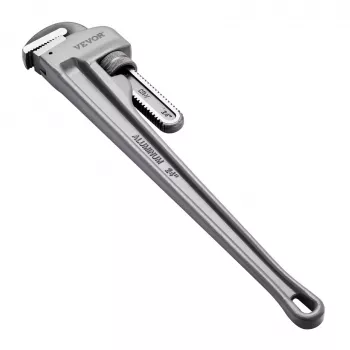
- Heavy-Duty Aluminum Pipe Wrench ($29.51) — a handy tool to keep around for related outdoor projects like adjusting fittings on drains, irrigation repairs, or plumbing tasks that often come up during site improvements.
FAQ
Should geotextile fabric go under or over the gravel?
Place it between the soil/subgrade and the gravel or base layer. For it to work as a separator and stabilizer, it should be fully covered with aggregate rather than left exposed.
How much overlap is needed at seams?
Use 6–12 inches for light landscaping and 12–24 inches for driveways or soft soils. Pin or temporarily weight seams so they stay aligned until the cover material is placed.
Will water drain through a weed barrier fabric under a driveway?
Geotextile is designed to let water pass while limiting soil migration into the aggregate. Drainage still depends on proper grading, a stable base thickness, and a clear path for runoff to exit.




Leave a comment