Cordless Robotic Pool Cleaners: Inground Tips & Picks
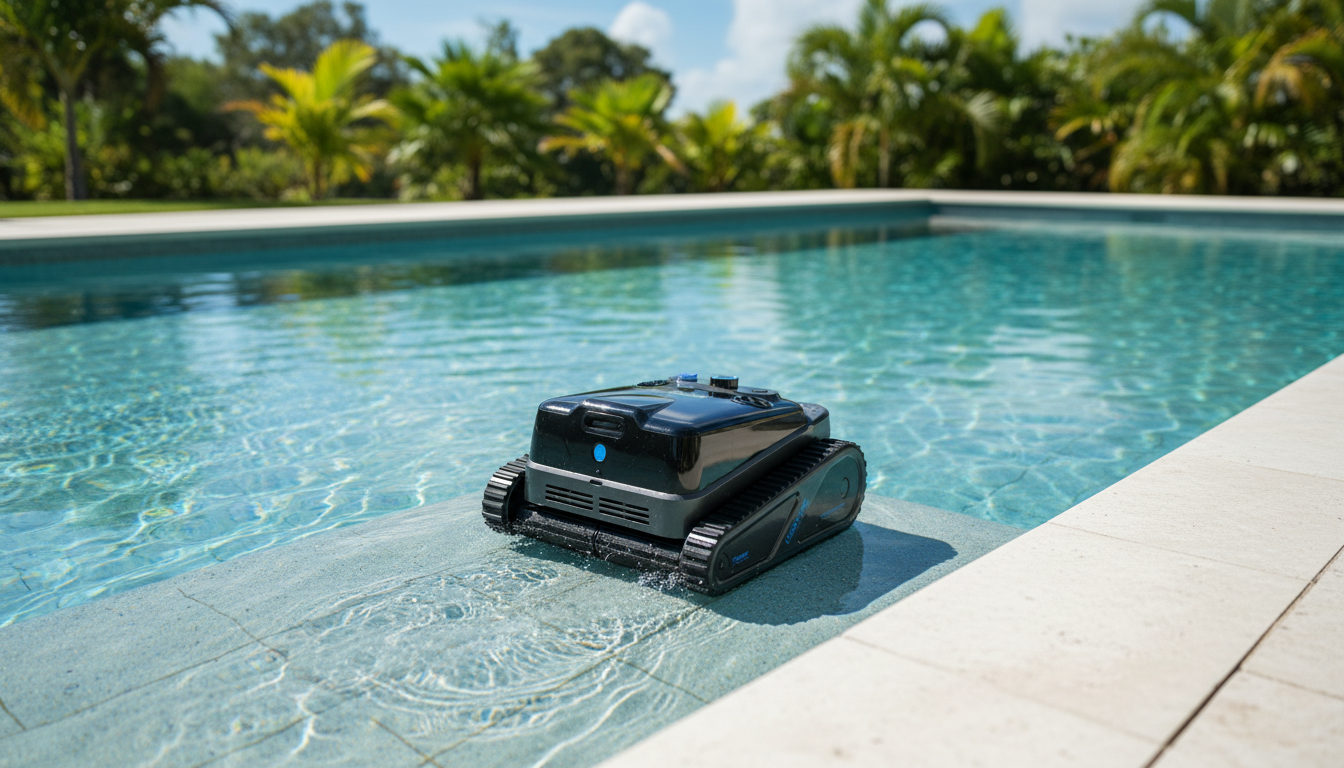
Cordless Robotic Pool Cleaner for Inground Pools: What to Expect and How to Get the Best Clean
A cordless robotic cleaner can take over the most time-consuming parts of pool care—picking up debris, scrubbing surfaces, and reducing how often manual vacuuming is needed. This guide breaks down how a cordless robotic unit fits into inground pool maintenance, what features matter most, and the habits that help it clean better and last longer.
Why a Cordless Robotic Cleaner Changes Day-to-Day Pool Care
Traditional suction-side and pressure-side cleaners can do solid work, but they often come with hoses, extra setup, and reliance on the pool’s circulation system. A cordless robot shifts that workload into a single, self-contained unit that you drop in and retrieve when it’s done.
- Eliminates hoses and many setup steps compared with suction-side or pressure-side cleaners.
- Helps maintain consistent cleanliness between deeper cleans, especially during heavy leaf or pollen weeks.
- Reduces the need for manual brushing and spot vacuuming when used on a regular schedule.
- Works independently from the pool pump cycle in many setups, which can simplify timing and energy planning.
The biggest “expectation reset” is that a robot is best as a consistency tool. Instead of waiting for the pool to look dirty (and then doing a marathon clean), you run shorter, regular cycles so debris never gets the chance to settle, stain, or break down into finer particles.
What to Look For in a Cordless Robotic Cleaner for Inground Pools
Inground pools vary widely—depth, surface texture, steps, slopes, and irregular shapes all affect performance. A good match comes down to coverage, debris capacity, and how easily you can maintain the unit between runs.
- Pool compatibility: match the cleaner to pool size, depth, and surface type (vinyl, plaster, fiberglass, tile).
- Cleaning coverage: floor-only vs floor + walls + waterline (more coverage usually means better overall cleanliness).
- Navigation and mapping: smarter pathing reduces missed spots and repeated passes.
- Debris handling: filter type and basket size matter for leaves, grit, and fine particles.
- Runtime and charge time: aim for enough runtime to cover the full pool; plan charging around swim time.
- Traction and climbing: important for slopes, steps, and wall transitions in inground pools.
- Maintenance access: easy-to-remove filter basket and straightforward rinse routine.
- Retrieval: look for low-effort ways to lift the unit out when the cycle finishes.
Practical tip: if a cleaner is annoying to empty or rinse, it won’t get maintained as often—performance drops fast when filters clog, especially during high-debris weeks.
Feature Checklist: Matching Debris and Pool Conditions
Different pools create different messes. The best-performing robot for your backyard is the one tuned to what actually lands in the water—oak leaves, gritty dust, pollen, or sunscreen film at the waterline.
- For leaves and large debris: prioritize a larger debris basket and strong intake flow.
- For sand and fine grit: choose filtration designed to capture smaller particles and plan more frequent rinses.
- For algae-prone seasons: consistent brushing action and wall coverage helps reduce buildup (chemistry still matters).
- For pools with steps and ledges: prefer strong traction, stable turning, and a design that doesn’t easily beach itself.
- For irregular shapes: better navigation helps avoid missed corners and curved walls.
| Pool condition | Helpful cleaner traits | Maintenance tip |
|---|---|---|
| Heavy leaves after storms | Large basket, wide intake, steady traction | Rinse basket mid-cycle if it fills quickly |
| Fine dust/pollen | Finer filtration, thorough floor coverage | Rinse filters frequently to keep suction strong |
| Walls show film or ring | Wall/waterline reach, active scrubbing | Brush waterline weekly if sunscreen buildup is heavy |
| Slopes/steps/benches | Good climbing ability, stable turns | Remove large objects before running to prevent hang-ups |
| Irregular/freeform shape | Smarter navigation, consistent pathing | Run shorter, more frequent cycles to prevent missed areas |
Getting the Most from Each Cleaning Cycle
A few small habits can make a robot’s results noticeably better—especially if your pool gets frequent windblown debris or lots of swimmer traffic.
Routine Care, Storage, and Battery-Friendly Habits
Water balance matters for equipment longevity, too. For chemical handling and safety best practices, refer to guidance from the CDC Healthy Swimming program and the Pool & Hot Tub Alliance (PHTA).
Troubleshooting Common Problems
If you’re adjusting fittings, tightening unions, or servicing nearby plumbing, a lightweight tool that still grips well can help: the Heavy-Duty Aluminum Pipe Wrench is a handy option to keep with pool maintenance gear.
A Reliable Option to Consider
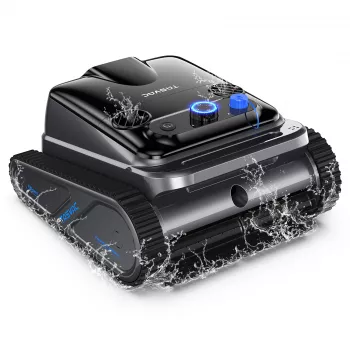
If you want hands-off cleanup without hoses, the Cordless Robotic Pool Cleaner for Inground Pools is a practical choice for routine debris pickup and regular scrubbing—especially when you run consistent cycles to prevent buildup instead of waiting for the pool to get dirty.
For the most noticeable improvement, pair robotic cleaning with three steady basics: frequent skimming, on-time filter maintenance, and balanced chemistry. For additional chemical safety fundamentals, the EPA’s pool chemical safety overview is a helpful reference.
FAQ
Can a cordless robotic cleaner fully replace manual vacuuming?
For routine debris, it can drastically reduce how often manual vacuuming is needed. Occasional spot cleaning may still be necessary for corners, steps, or unusually heavy debris loads.
How often should a robotic pool cleaner be run in an inground pool?
Many pools do well with 2–4 cycles per week for maintenance. Increase frequency during storms, high pollen periods, or weeks with heavy swimmer use.
Why does the cleaner miss areas or leave debris behind?
Common causes include a full or clogged filter, a cycle that’s too short, obstacles on the floor, slippery wall surfaces, or navigation limits in complex pool shapes. Cleaning the filters and running a longer cycle usually resolves the issue.



Leave a comment